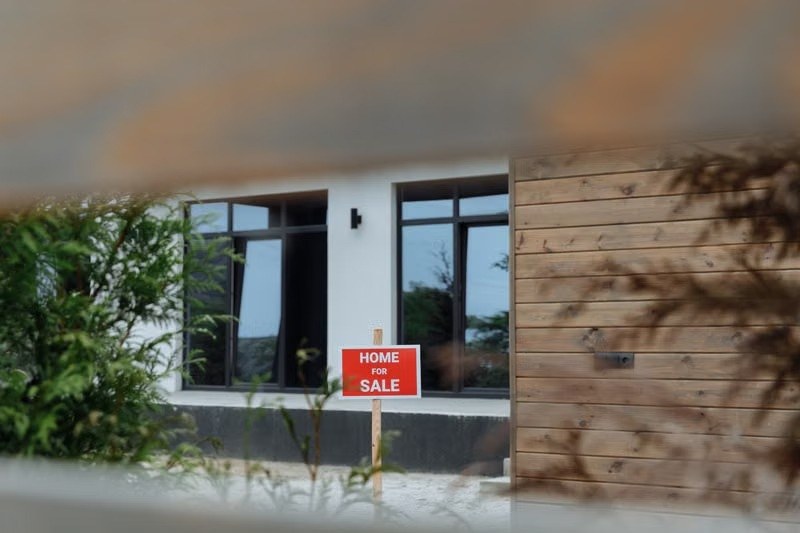
Texas does not have a state income tax, which is one reason many families choose to live here. Local governments rely heavily on property taxes instead, and for homeowners in Harris County and across greater Houston, the annual property tax bill can be one of the largest household expenses.
The good news is that Texas offers a residence homestead exemption that can meaningfully lower the taxable value of your home. Many new homeowners do not realize they must apply for it, and some miss out for years.
How the homestead exemption works
If you own your home and live in it as your principal residence, you may qualify for a general residence homestead exemption. The largest piece is an exemption from school district taxes, which voters have increased in recent years, and some cities, counties and other taxing units offer additional optional exemptions of their own.
Homeowners who are 65 or older, or who have a qualifying disability, may receive an additional school district exemption and a tax ceiling that limits future increases in school taxes on their home. Disabled veterans and certain surviving spouses may qualify for further exemptions. A homestead also benefits from a limit on how much its appraised value can rise each year for tax purposes.
One short application can lower your property tax bill for as long as you live in your home.
How to apply
Applications are filed with your county appraisal district, such as the Harris Central Appraisal District for most Houston-area homes. You generally need a copy of your Texas driver's license or ID showing the property address. Homeowners can typically apply once they own and live in the home, and the usual filing deadline is April 30, although late applications may be accepted for a limited time.
Once approved, the exemption generally stays in place as long as you own and live in the home, but you should notify the appraisal district if your situation changes. Review your appraisal notice every spring as well, and consider filing a protest if the market value looks too high.
Finally, put the savings to work. If your mortgage includes an escrow account, a lower tax bill can reduce your monthly payment, and redirecting that difference into investments helps your capital grow.
The advisors at Capital Growth Place help Houston-area homeowners plan for property taxes and long-term goals. Contact us for a free growth review.
Want help growing your capital?
Talk to a licensed advisor for free. Call +1 281-463-1200 or send us a message.